ADAS, or Advanced Driver Assistance Systems, are transforming modern vehicles into safer, smarter, and increasingly semi-autonomous platforms. These automotive safety systems help reduce driver workload, improve reaction time, and support accident prevention by continuously monitoring the vehicle’s surroundings. Common ADAS applications include park assist, surround-view cameras, rearview cameras, lane departure warning, lane keeping assist, automatic emergency braking, adaptive cruise control, blind spot monitoring, traffic sign recognition, auto-pilot functions, and collision avoidance. As vehicle automation continues to evolve, these features are becoming essential for improving road safety and enabling the path toward higher levels of autonomous driving.
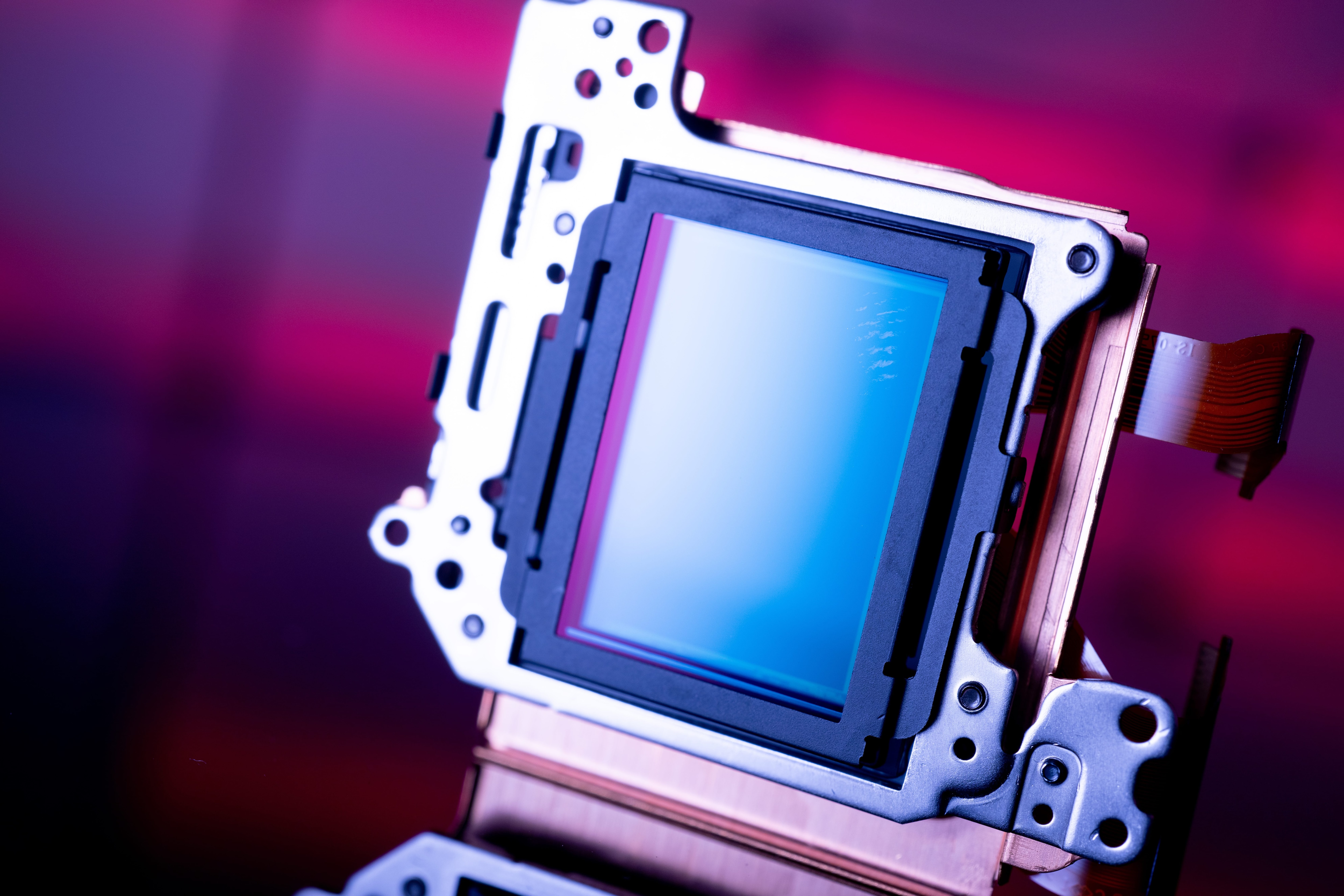
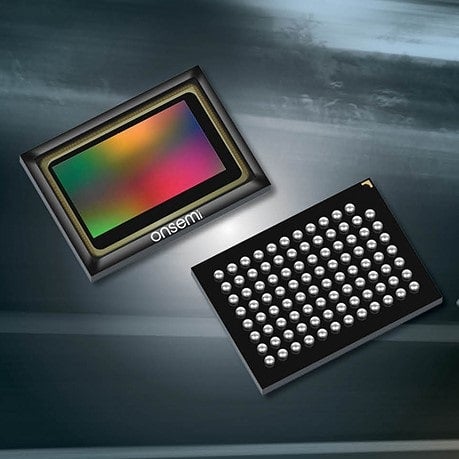
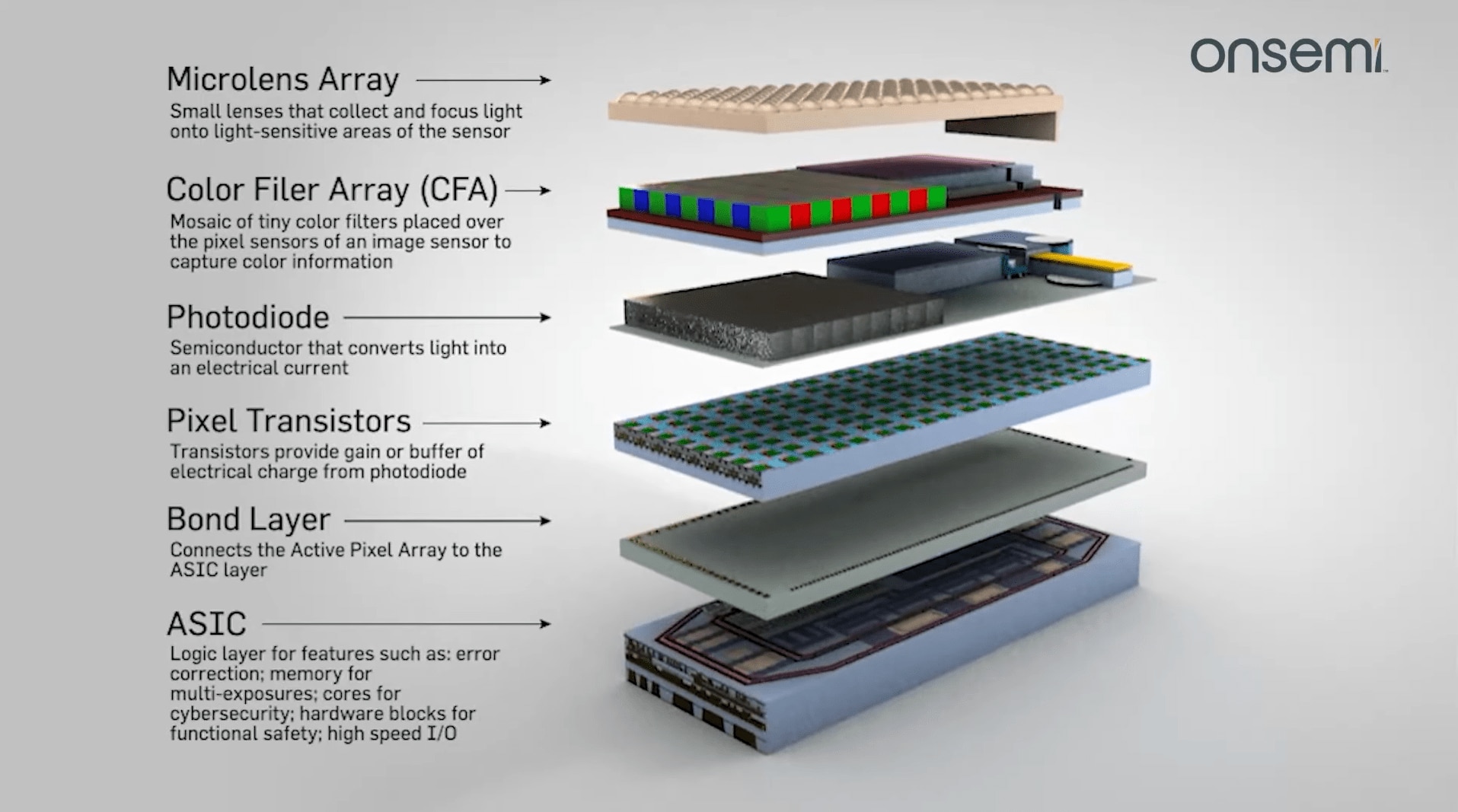
Automotive ADAS systems rely on multiple sensing technologies to detect, classify, and respond to real-world driving conditions. Image sensors provide the visual intelligence needed to identify lanes, vehicles, pedestrians, cyclists, road markings, traffic lights, and traffic signs, while LiDAR, radar, and ultrasonic sensors add depth, distance, speed, and short-range object detection capabilities. Hyperlux™ automotive image sensor technology is designed for high-performance ADAS camera systems, offering high-resolution imaging, high dynamic range HDR, strong low-light sensitivity, low-noise performance, and LED Flicker Mitigation. These features help improve camera visibility and machine vision accuracy in challenging environments such as direct sunlight, tunnel entry and exit, nighttime driving, shadows, bright headlights, reflective surfaces, and flickering LED traffic signals or digital road signs.
Ultrasonic sensors play a key role in short-range automotive sensing, especially for park assist, automated parking, curb detection, rear obstacle detection, side obstacle detection, and low-speed collision avoidance. By using ultrasonic time-of-flight measurement, these sensors detect nearby objects around the vehicle even in dark garages, tight parking spaces, and low-visibility environments. The data from Hyperlux™ image sensors, ultrasonic sensors, LiDAR, radar, and vehicle control inputs is processed by a machine vision processor or ADAS system controller, which enables sensor fusion, object detection, environmental awareness, and real-time safety decisions such as driver alerts, braking, or steering assistance. For safety-critical automotive designs, ISO 26262 and ASIL-capable components help support functional safety, diagnostics, fault detection, and reliable ADAS operation.