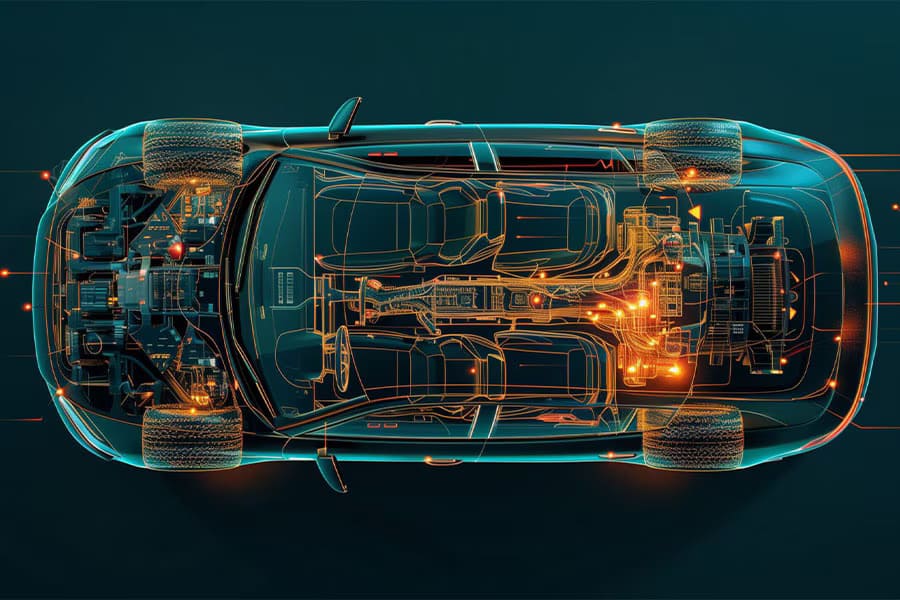
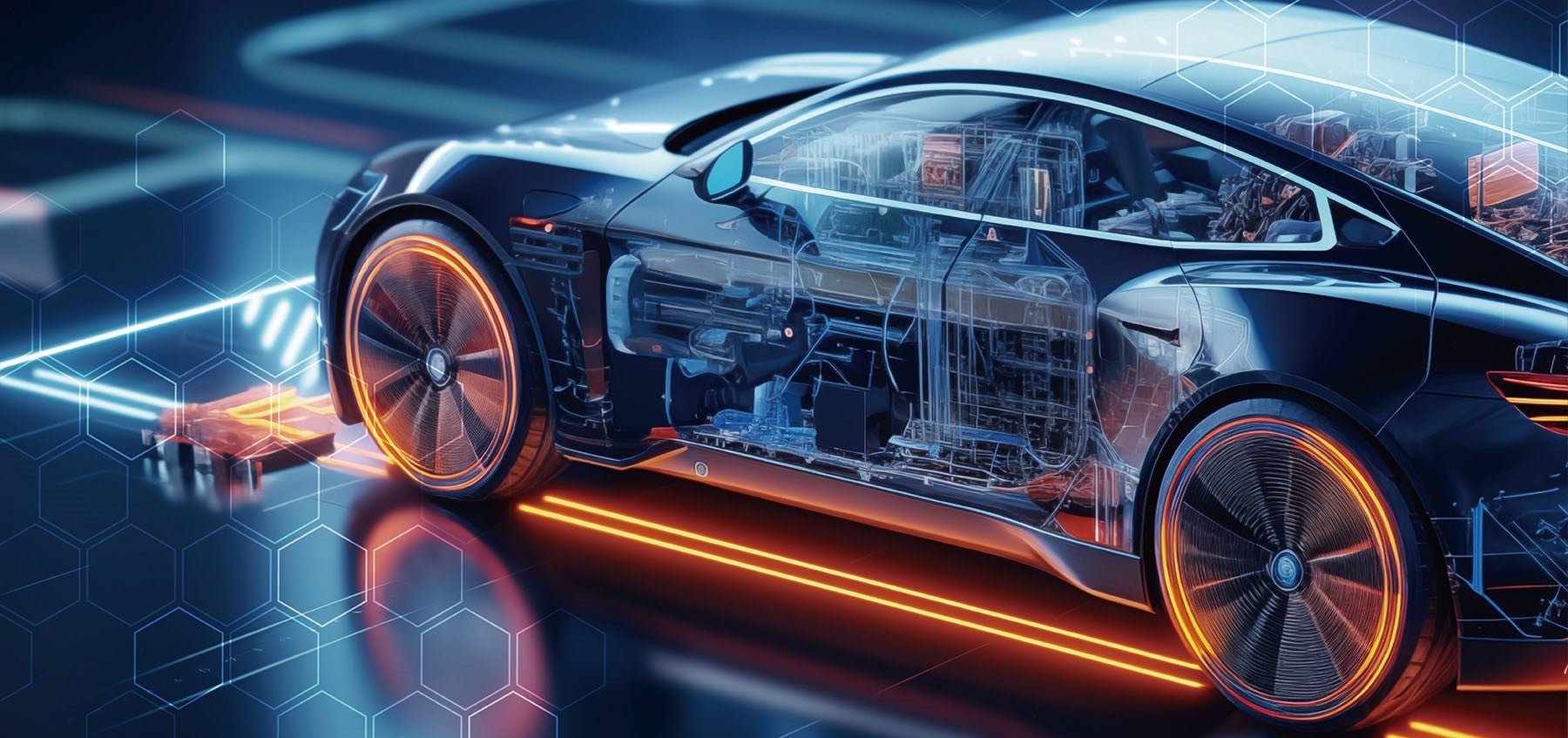
Zonal Architecture is emerging to address the rapid changes in the automotive industry, especially with the rise of EVs. Significant advancements are seen in low voltage power distribution and vehicle networking. Decentralized zonal power distribution simplifies the wiring harness, reducing weight, manufacturing complexity and costs.
The shift towards Software-Defined Vehicles (SDVs) pushes car makers to innovate, integrating protected semiconductor switches in zonal controllers. eFuses and protected high-side switches improve functional safety and fail-functional situations by safeguarding loads, sensors, and actuators. Unlike traditional domain architecture, zonal architecture centralizes control and computing, moving software from individual ECUs to a powerful central computer. This allows higher flexibility for downstream control and power distribution.
Automotive Ethernet is essential for SDVs, handling the vast data from sensors like cameras and LiDAR. It ensures real-time data transfer between zonal controllers and the central computer, which processes sensor data and makes decisions. This infrastructure is crucial for the future of autonomous vehicles, where computing demands will continue to grow.