Hearing loss often goes untreated for years, leading to higher rates of psychosocial disorders like depression, anxiety, and dementia, as well as increased medical costs.
Modern hearing aids have evolved into sophisticated wearable systems that combine advanced signal processing, wireless connectivity and ultra-low-power semiconductor technologies to improve listening comfort. Over-the-counter (OTC) hearing aids have accelerated adoption by providing accessible solutions for individuals with mild to moderate hearing loss. The combination of miniaturized electronics, improved battery technology and intelligent software is enabling smaller, more capable devices that deliver higher audio quality while extending operating life.
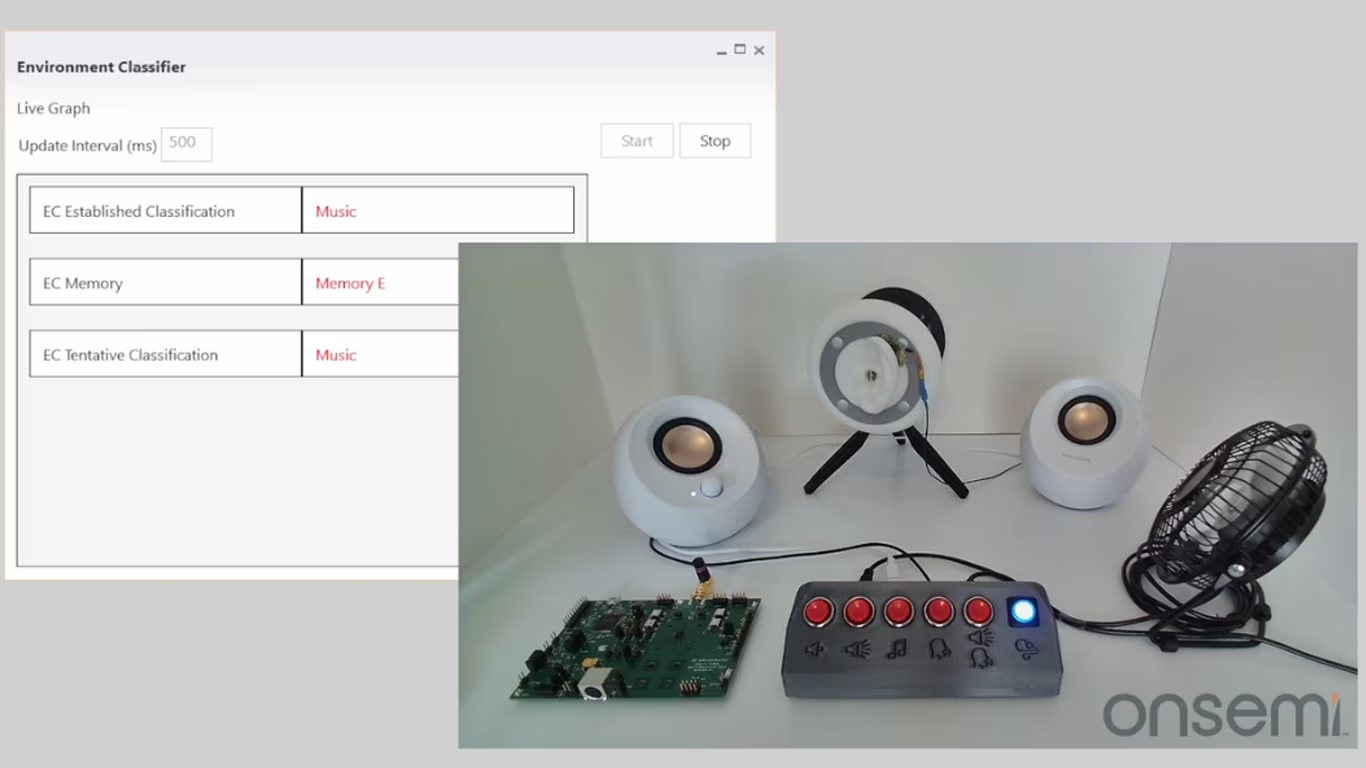
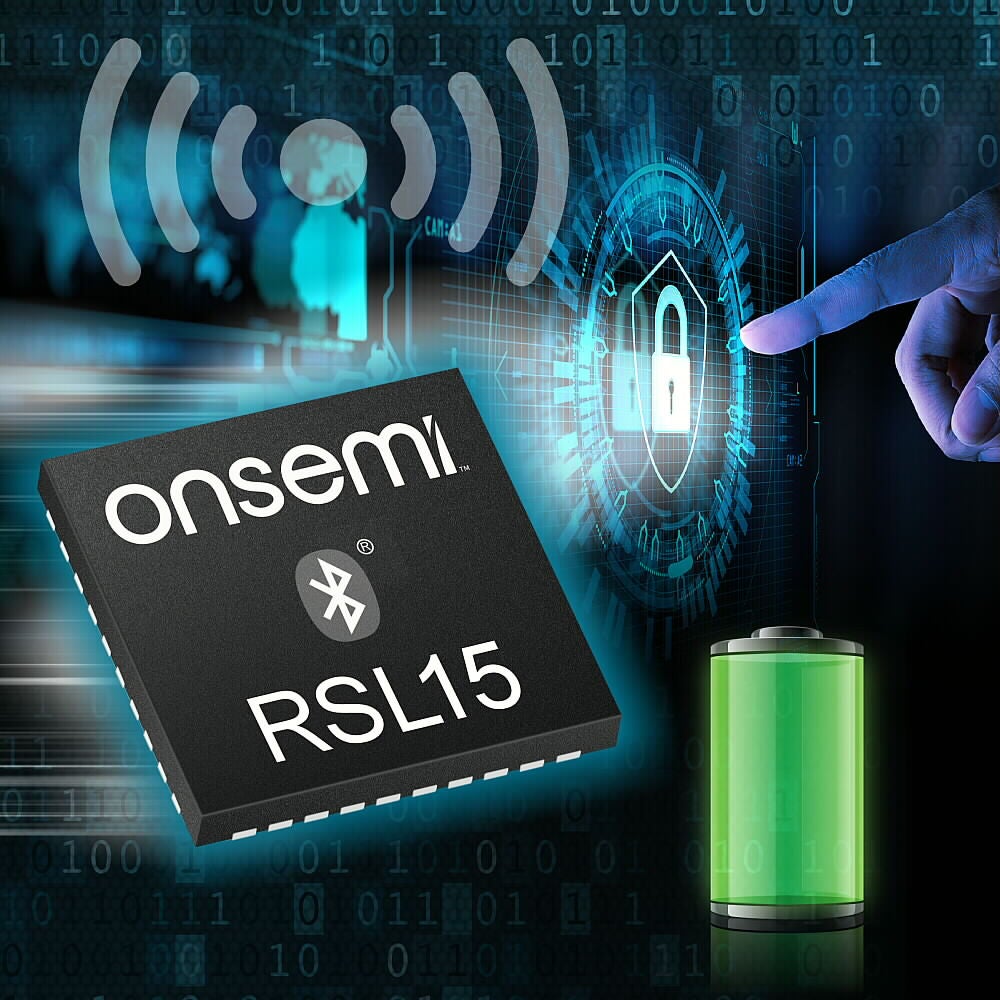
At the core of a modern hearing aid is the audiology digital signal processor (DSP), which performs noise reduction, feedback cancellation, speech enhancement and gain control. DSP bandwidth is a critical factor because it directly impacts the quality and naturalness of reproduced audio. Wireless connectivity has become a major design trend in next-generation hearing aids. Bluetooth® Low Energy (BLE) enables smartphone control, firmware updates, audio streaming and remote device management while minimizing power consumption. Emerging technologies such as Auracast™ and Bluetooth® LE Audio allow one-to-many audio broadcasting, enabling hearing aids to receive audio directly from televisions, public-address systems and assistive-listening infrastructure without individual pairing. Manufacturers are also increasingly incorporating AI-enhanced audio processing to improve speech extraction, environmental classification and listening comfort in noisy surroundings.
Battery life remains one of the most important design considerations. Modern hearing aids increasingly utilize rechargeable lithium-ion or silver-zinc batteries. Semiconductor innovations focus on reducing energy consumption across the DSP, wireless connectivity and sensing functions, enabling smaller form factors without sacrificing performance.
Since hearing aids are medical devices, safety, reliability and regulatory compliance are essential. Hearing aid systems typically need to comply with standards such as IEC 60601 for medical electrical equipment, ISO 14971 for medical-device risk management and IEC 62304 for medical-device software lifecycle processes. Wireless implementations must comply with Bluetooth and regional radio regulations. As hearing aids become increasingly connected, cybersecurity and data privacy requirements are also gaining importance.