Bluetooth asset tracking is a wireless location monitoring solution based on Bluetooth Low Energy (BLE), designed to provide continuous visibility of physical assets such as tools, equipment, containers, or medical devices. Typically a compact battery-powered BLE tags are attached to assets and periodically broadcast a unique identifier or sensor data. Fixed receivers capture these signals and forward them to a central platform, where the system estimates asset location using signal-based techniques. This architecture enables continuous, infrastructure-based tracking without requiring manual scanning, making it particularly effective for indoor environments where GPS is unreliable or unavailable.
Bluetooth asset tracking systems include tags, infrastructure, positioning algorithms, and software. Tags operate with ultra-low power, sending short data packets at set intervals. Infrastructure nodes (BLE gateways or locators) capture signals and provide spatial references. The positioning engine uses Received Signal Strength Indicator (RSSI) for zone-level tracking or advanced direction-finding techniques like AoA and AoD. AoA identifies signal direction at a fixed antenna array, while AoD calculates position from signals sent by reference points. These methods enhance accuracy, achieving sub-meter positioning in optimized setups.
The primary advantages of BLE asset tracking stem from its balance of cost, energy efficiency, and scalability. BLE was designed for low-power communication, enabling long battery life and reducing maintenance requirements. Tags are relatively inexpensive and small, making large-scale deployments across thousands of assets economically feasible.
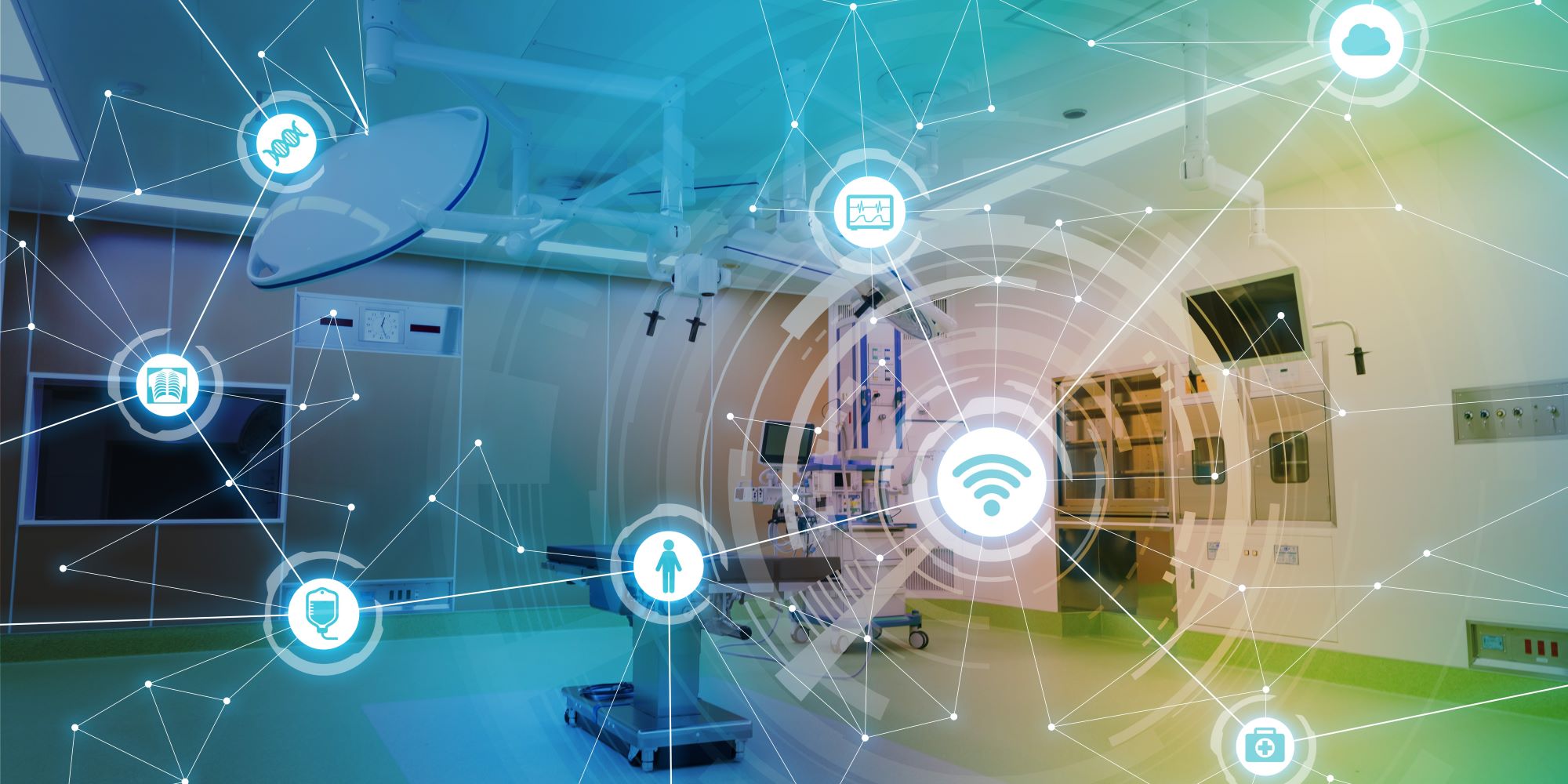
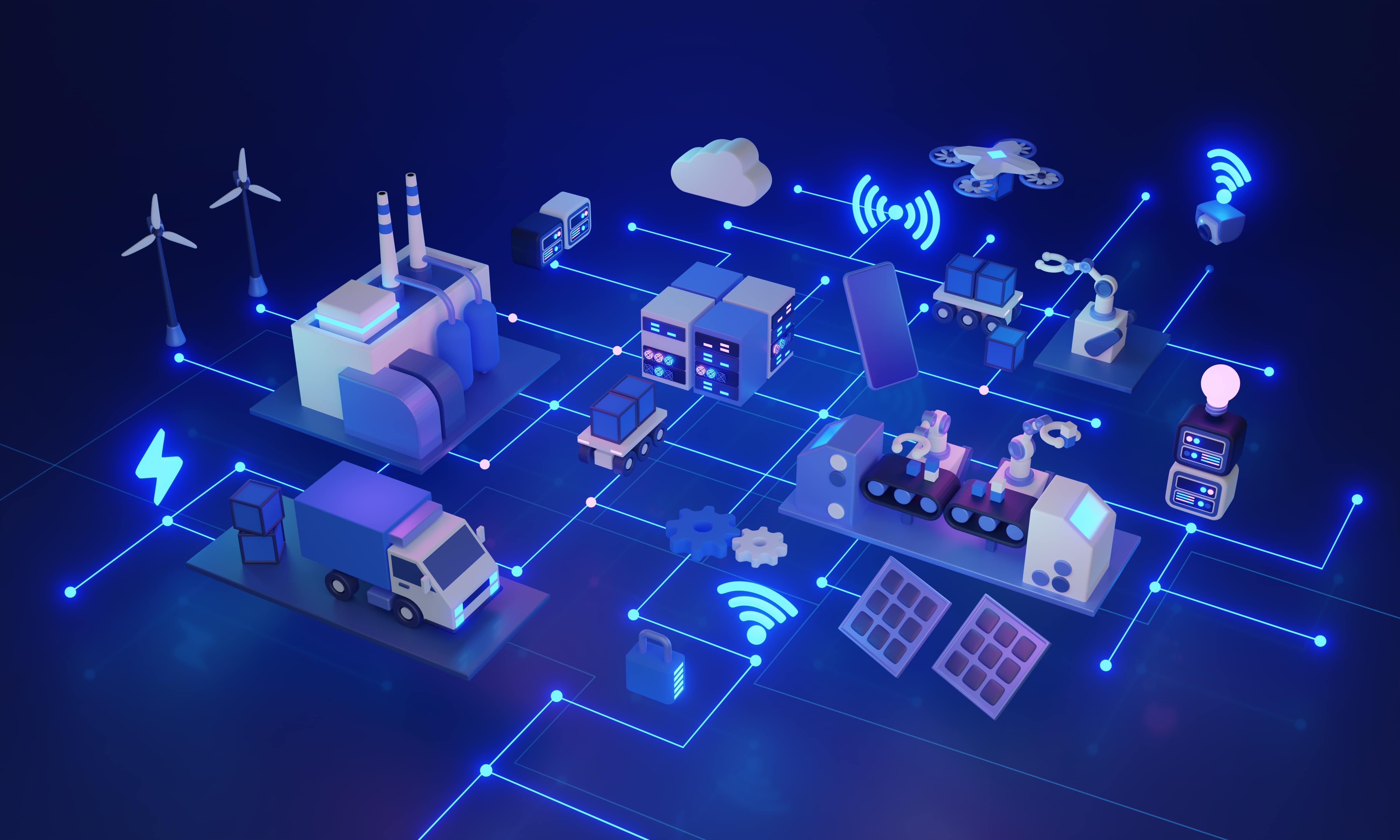
Bluetooth asset tracking is widely adopted across industrial and commercial sectors where real-time asset visibility drives operational efficiency. In manufacturing and logistics, it enables tracking of tools, equipment, and mobile assets to reduce downtime and improve utilization. In healthcare, it supports tracking of medical devices and critical equipment, while retail and smart building environments use it for indoor navigation and inventory management. By integrating location data with IoT analytics platforms, organizations can also enable condition monitoring, predictive maintenance, and process optimization.