Continuous Glucose Monitoring

Diabetes Treatment

Continuous Glucose Monitoring (CGM) solutions empower healthcare professionals and patients with real-time glucose data, improving diabetes management and overall health outcomes.

Smart, Connected Solutions for Real-Time Diabetes Management

Diabetes is a chronic health condition that affects how the body regulates blood sugar, its primary source of energy. Normally, the hormone insulin helps glucose enter cells for energy, but in diabetes, the body either does not produce enough insulin or cannot use it effectively. This leads to elevated blood sugar levels, which, if left untreated, can cause serious health complications or even death.

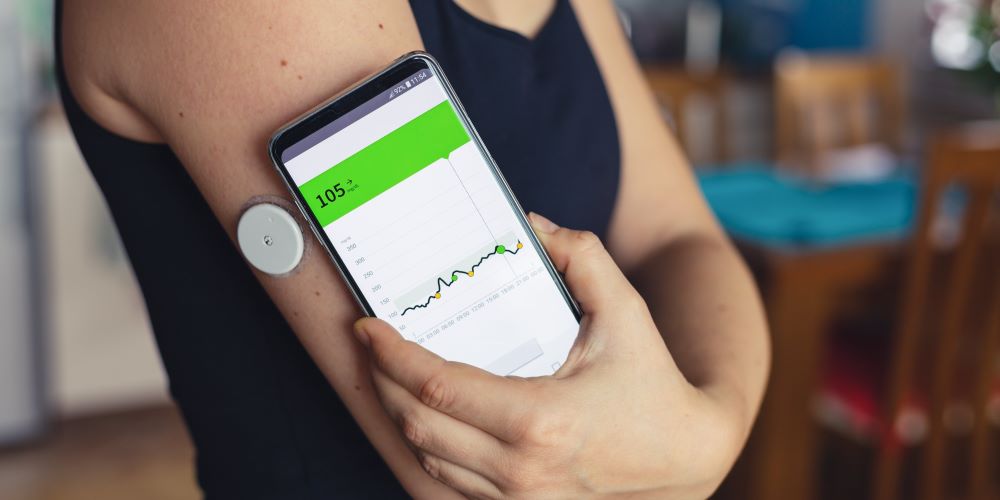
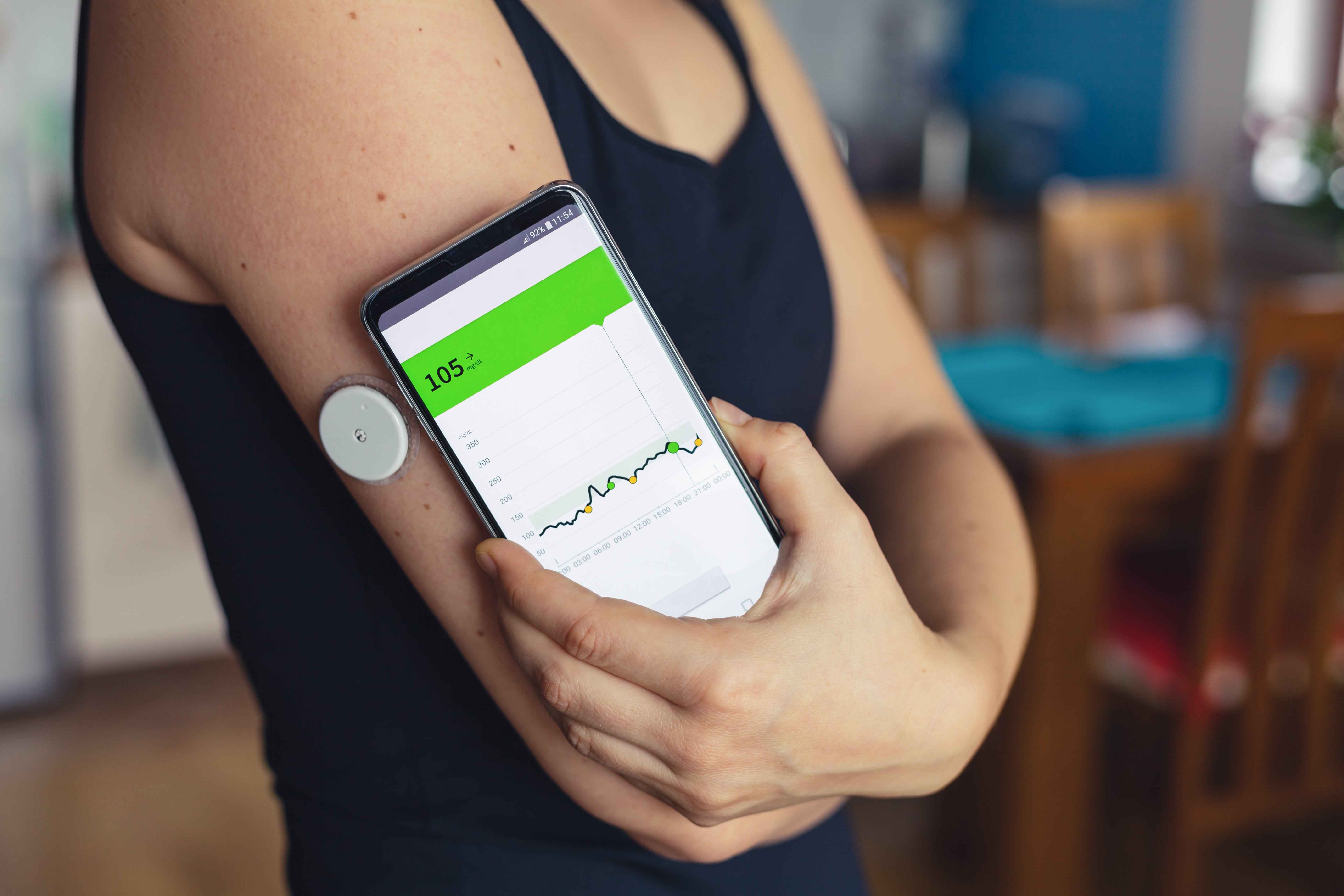
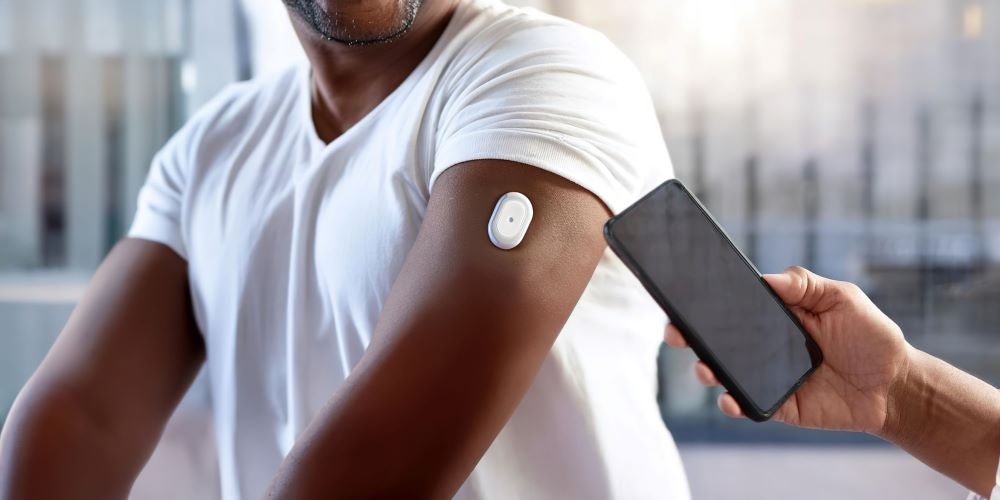
Continuous glucose monitoring (CGM) revolutionizes diabetes management by providing real-time glucose readings without frequent finger-pricks. Wearable CGM devices use a sensor under the skin to measure glucose in interstitial fluid, transmitting data to smartphones, receivers, or cloud platforms. This data aids treatment decisions, enhances glycemic control, and enables remote monitoring. With rising diabetes rates, CGMs are vital for managing both Type 1 and Type 2 diabetes.

A CGM system's core is an electrochemical sensor with electrodes. Glucose oxidation generates tiny currents, measured and processed by a specialized analog front end (AFE). The AFE converts sensor currents into digital data with high accuracy and ultra-low power consumption. Modern AFEs handle multi-electrode configurations, bias control, and diagnostics for abnormal sensor conditions. Low-power semiconductor technologies enable compact, battery-powered sensors suitable for wearable medical devices.

A key design trend in CGM development is the integration of wireless connectivity. Ultra-low-power wireless microcontrollers with Bluetooth® Low Energy connectivity allow readings to be transmitted continuously. Designers increasingly focus on extending sensor life, reducing power consumption and improving measurement accuracy. Power efficiency remains a critical design requirement because CGM devices typically operate continuously for up to two weeks before replacement. Rechargeable battery architectures are gaining popularity as manufacturers seek to reduce electronic waste and improve user convenience. The solution architecture typically combines electrochemical sensing, analog front-end processing, Bluetooth connectivity and battery management into a compact wearable platform.

Because CGMs are medical devices that directly influence patient treatment decisions, compliance with safety and regulatory standards is essential. Depending on the target market, systems commonly need to comply with FDA medical device requirements, IEC 60601 standards for medical electrical equipment, ISO 14971 for risk management and IEC 62304 for medical device software lifecycle processes. Wireless implementations must also satisfy Bluetooth and regional radio regulations. 
製品

Electrochemical Sensor AFE
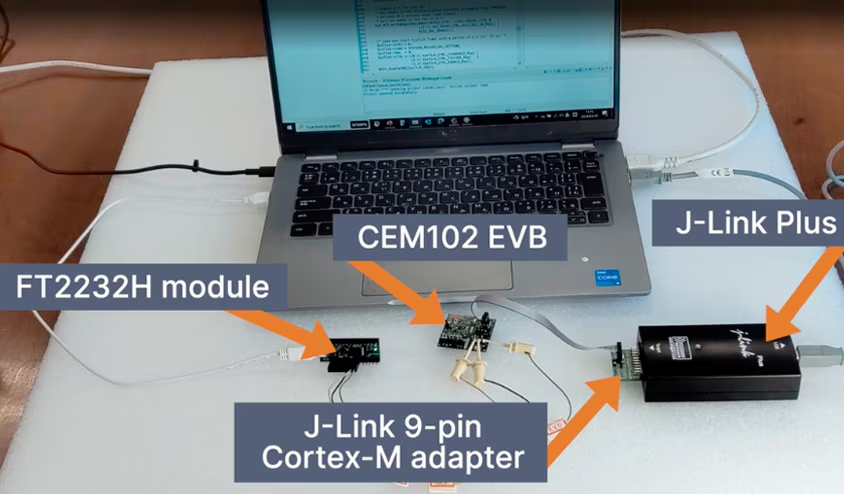
CEM102
Analog front end (AFE) for very low power Continuous Glucose Measurements (CGM) and similar applications
Bluetooth Low Energy
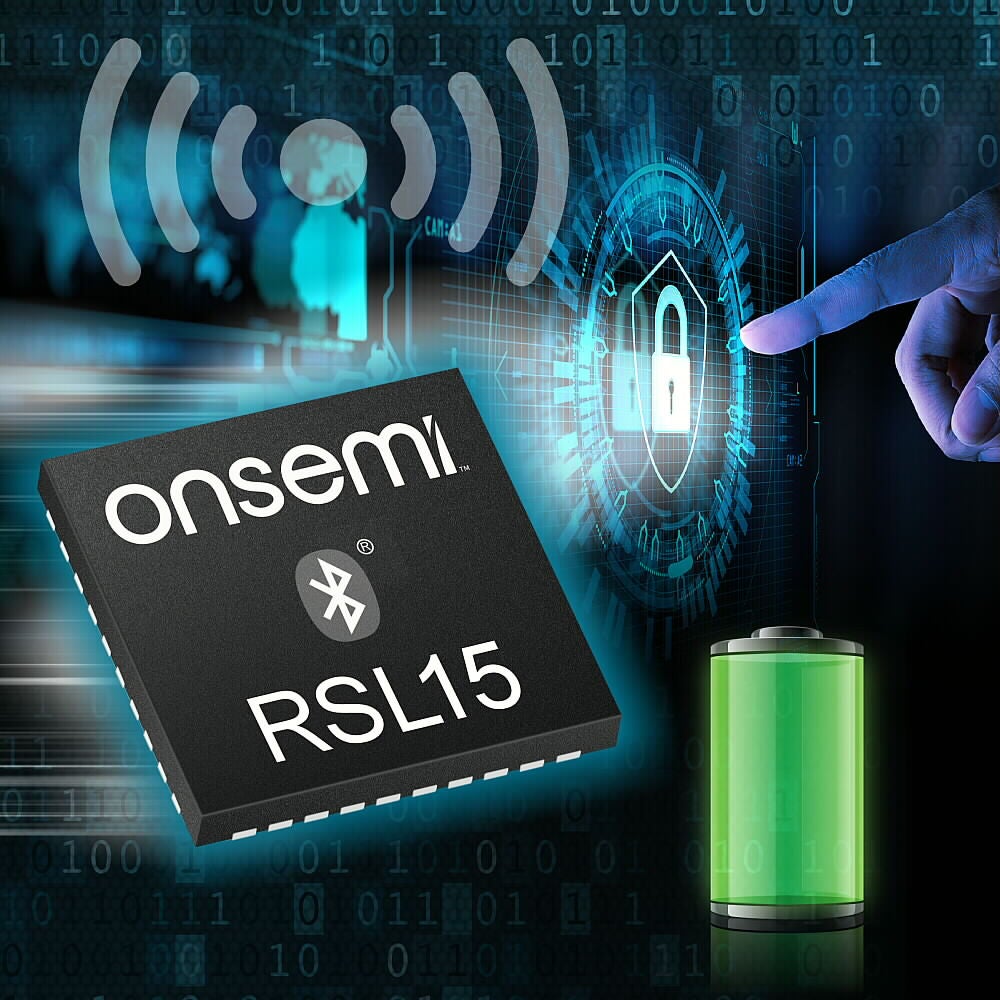
RSL15
Bluetooth® 5.2 Secure Wireless MCU
Battery Charge Controllers
HPM10
Power Management IC (PMIC) for Hearing Aids

Documents

Application Notes
HPM10 Getting Started Guide
Design Notes
RSL15 Antenna Design Guideline
Reference Manuals
RSL15 Developer's Guide
Reference Manuals
RSL15 Getting Started Guide

Evaluation Boards/Kits

Evaluation Board
CEM102-EVB
Evaluation Board
RSL15-EVB
Evaluation Kit
HPM10-002-GEVK

Design Resources

Tools and resources for your evaluation process.

Find the Right Product

Utilize our PRT+ tool to identify the ideal product for you.

System Solution Guides

Explore tailored components and insights for your application.

Evaluation Boards & Kits

Buy and validate the performance of chosen components.

FAQs

CGMs use an electrochemical sensor containing a working electrode (WE), counter electrode (CE) and reference electrode (RE). Glucose oxidation generates a small electrical current that is measured and processed to determine glucose concentration.

Modern CGMs typically integrate electrochemical sensor AFEs, ultra-low-power microcontrollers, Bluetooth® Low Energy (BLE) radios, battery-management ICs, memory devices and power-management circuits to enable accurate sensing and long battery life.

CGM sensors often operate continuously for up to two weeks on a small battery. Low-power AFEs, wireless MCUs and optimized communication protocols help maximize operating life while keeping the device compact and comfortable to wear.

CGM solutions commonly need to comply with FDA medical device requirements, IEC 60601 for medical electrical equipment, ISO 14971 for risk management and IEC 62304 for medical device software lifecycle processes. Wireless implementations must also satisfy applicable radio and Bluetooth regulations.

Future CGMs are expected to feature smaller sensors, longer operating life, enhanced wireless connectivity, advanced analytics, cloud integration and more intelligent data processing to support personalized diabetes management and remote patient monitoring.

Related Videos

Let's keep going – watch these videos for deeper dives and fresh perspectives.

Support and Community

If you're interested to learn about any onsemi technology, search for related articles in Help library.

サポート

オンセミは、お客様の利便性を考慮し、さまざまな方法によるお問い合わせに対応しています。

セールス

製品に関するご質問、またはデザインに関するサポートが必要ですか?

更新情報

新製品リリース、イベント、技術的洞察!

glucose monitoring