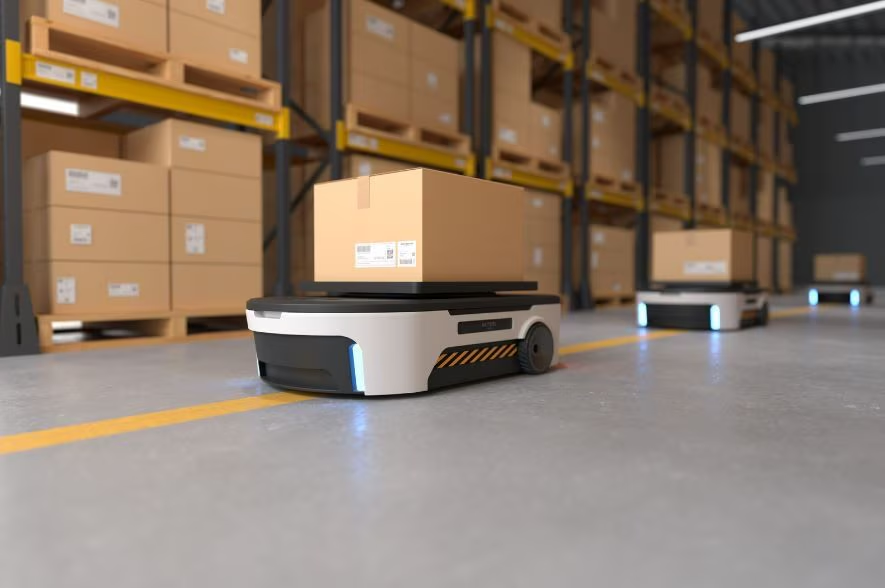
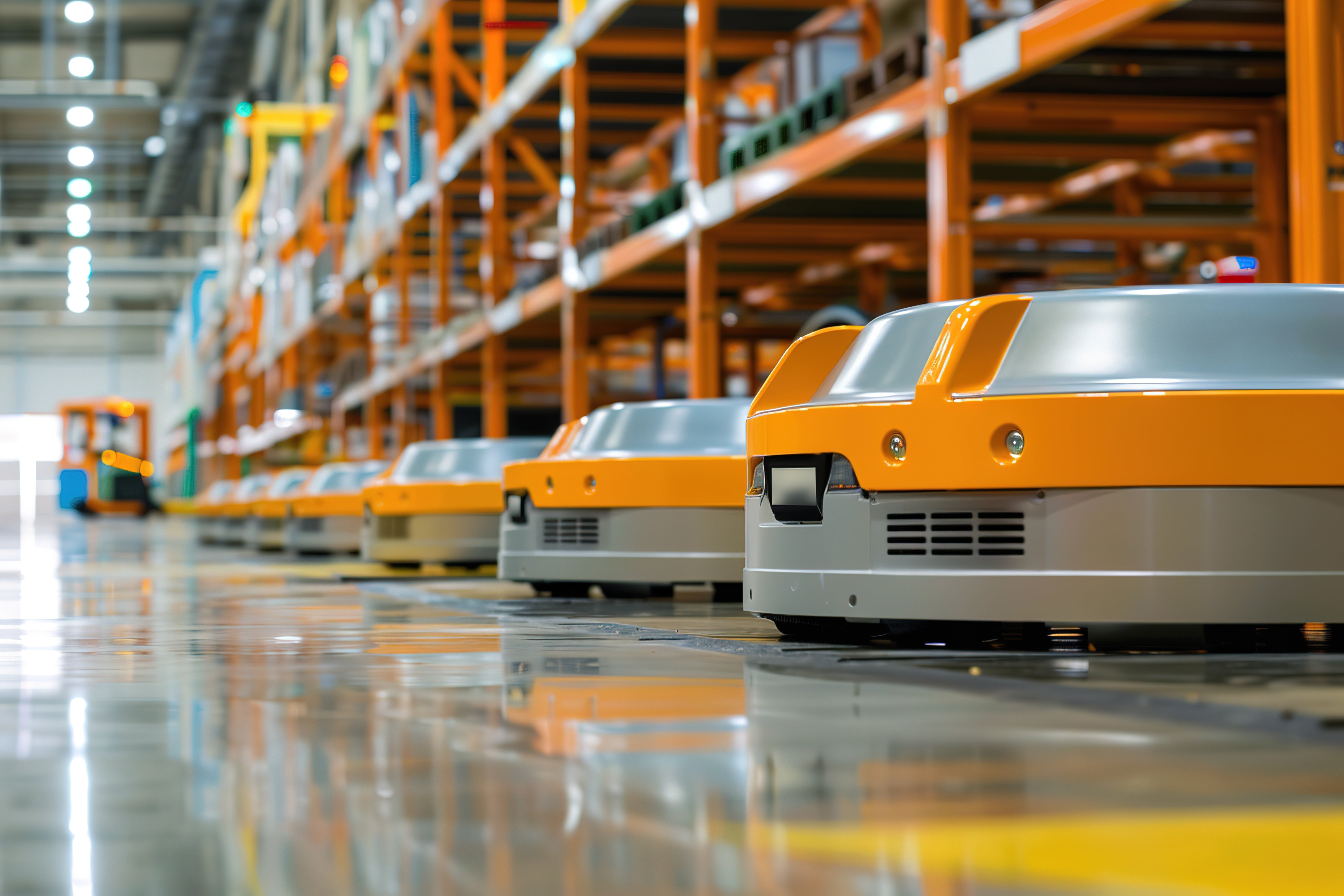
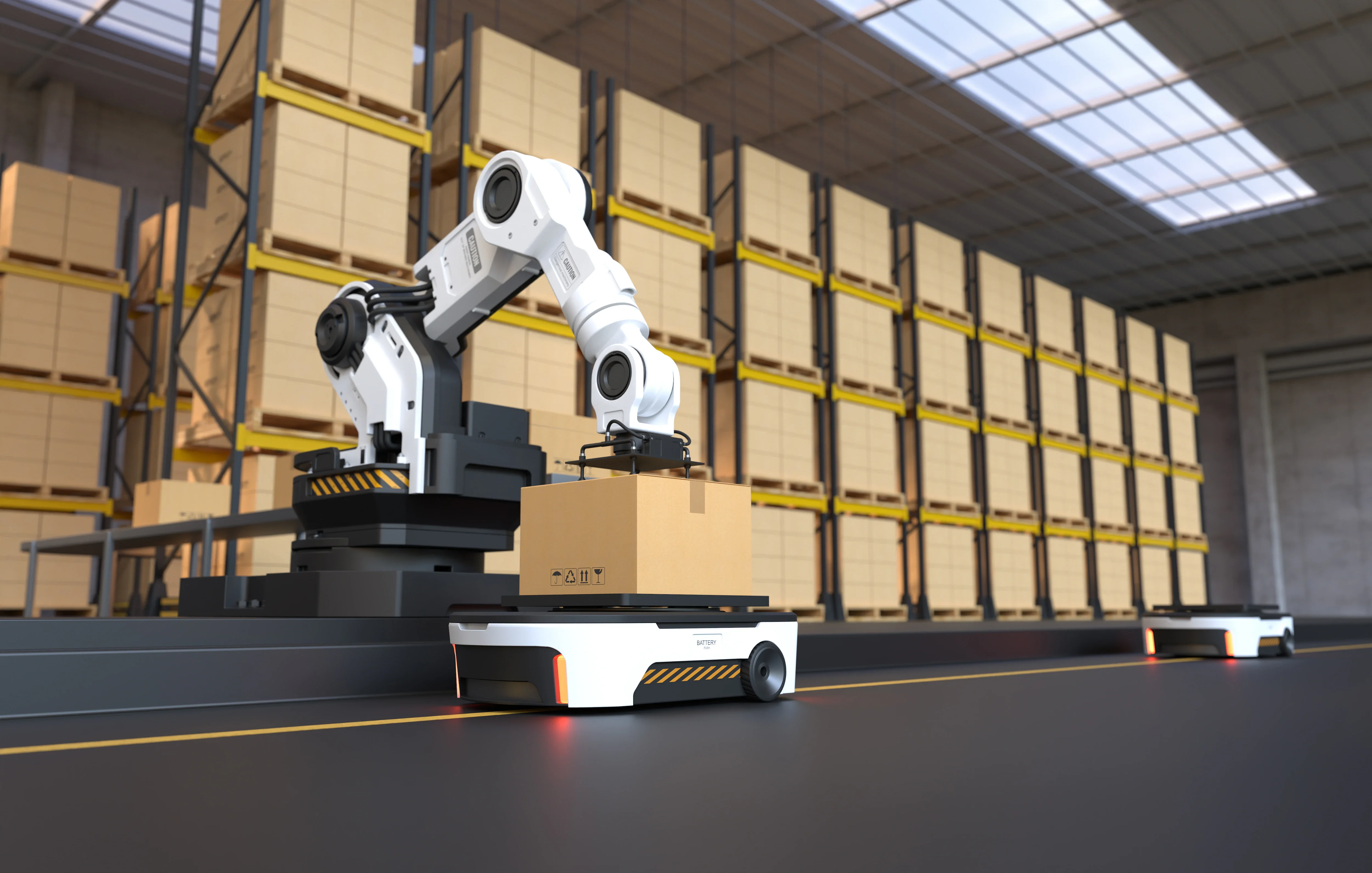
A group of robots in a warehouse

Autonomous Robotics Solution

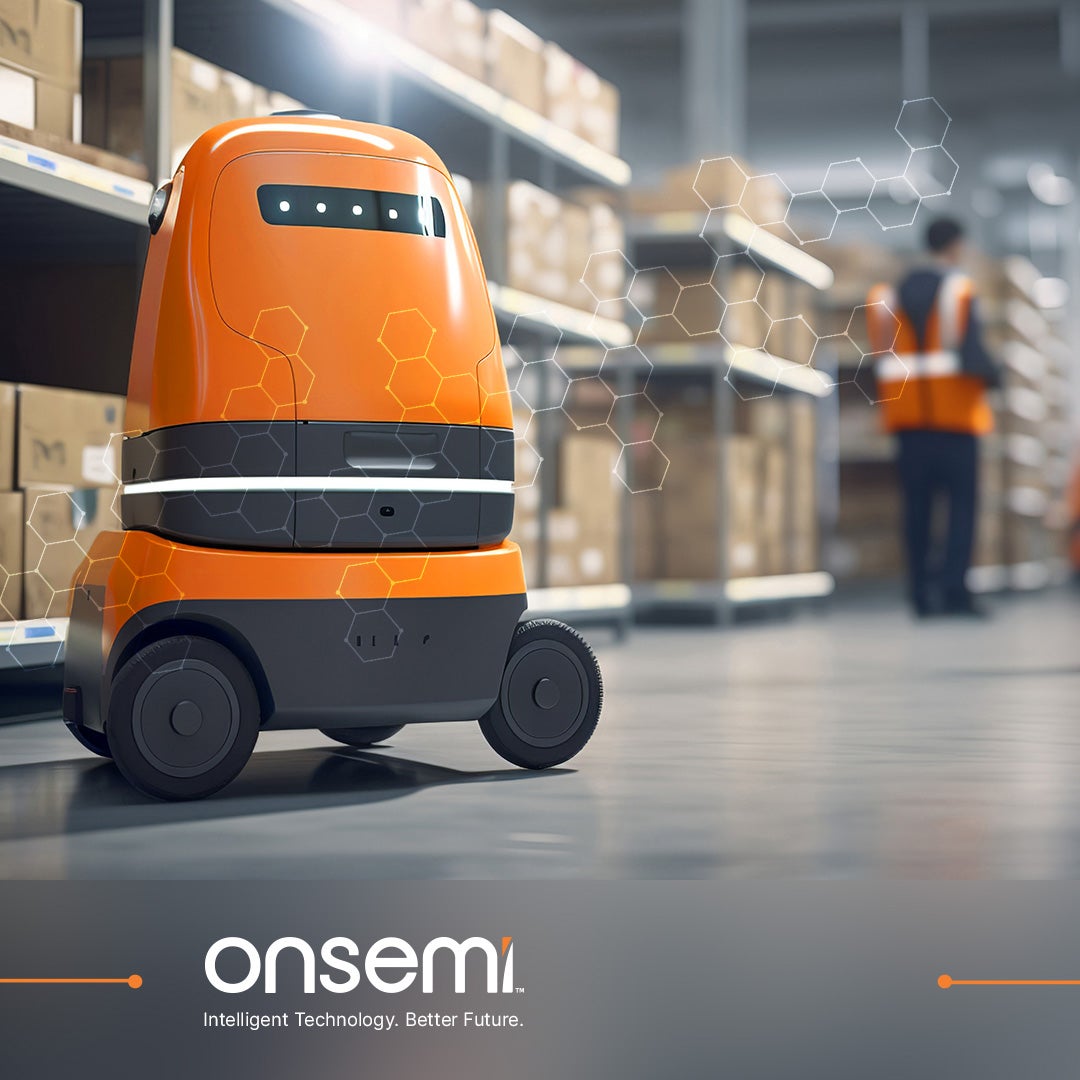
Advantages of deploying Autonomous Robots include increased productivity and efficiency – performing repetitive and/or time-consuming tasks, thus human workers can focus on creative and value-added activities.


AI-Driven Autonomous Systems for Industry

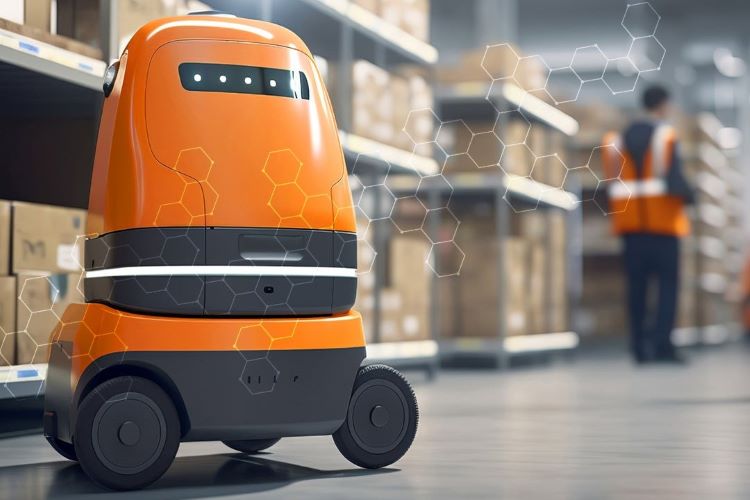
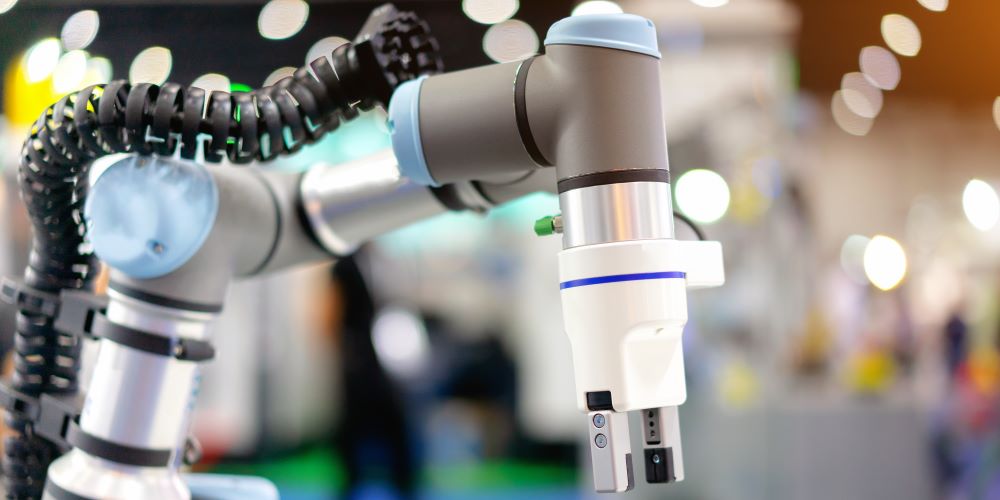
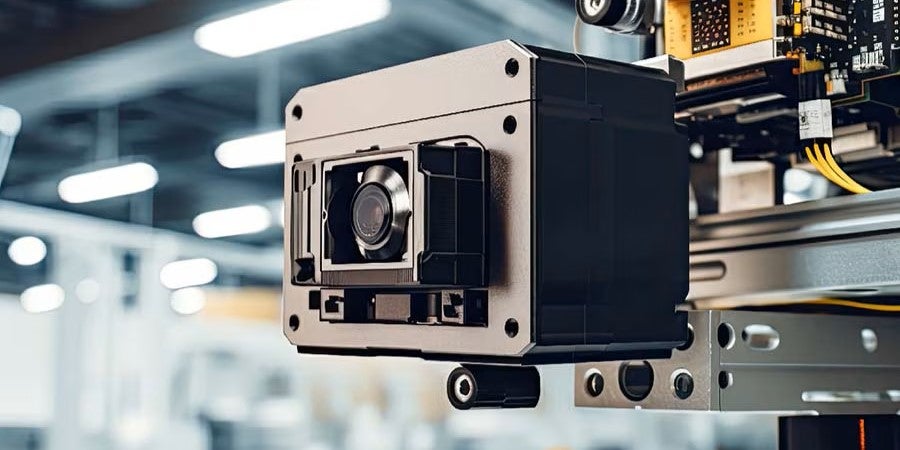
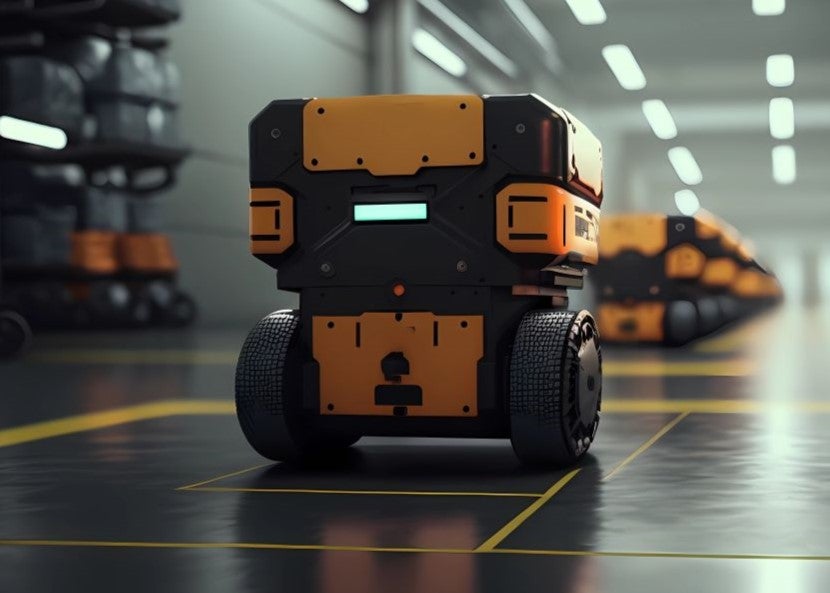
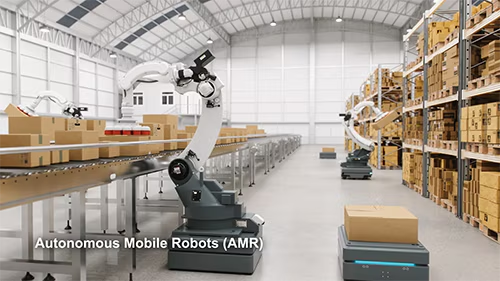
Smart robots are transforming industrial automation by combining mobility, perception, connectivity and artificial intelligence into autonomous systems capable of navigating dynamic environments and collaborating with humans. Applications range from autonomous mobile robots (AMRs) to robotic arms, delivery robots and advanced humanoid platforms. Unlike conventional industrial robots that operate in fixed, controlled environments, smart robots rely on sensor fusion, machine vision and AI-based decision-making to understand their surroundings, avoid obstacles and optimize navigation. 

The heart of a smart robot is a combination of power electronics, motion control and embedded processing. Most mobile robots operate from 12 V to 48 V battery systems and require efficient power-conversion architectures consisting of battery-management systems, DC/DC converters and protection circuits. Motion is typically driven by brushless DC (BLDC) motors controlled through three-phase inverters using low- and medium-voltage MOSFETs, gate drivers and position sensors. Smart protection devices such as eFuses and protected MOSFETs safeguard critical power rails against overcurrent, overvoltage and thermal events, improving reliability and reducing downtime. 

Autonomous operation depends heavily on advanced sensing and perception technologies. Modern platforms combine LiDAR, machine vision, depth sensing and other sensors to create an accurate understanding of the environment. Sensor fusion combines data from multiple sensing modalities to improve reliability, accuracy and functional safety. Simultaneous Localization and Mapping (SLAM) algorithms use these data streams to build maps, track obstacles and plan navigation paths in real time.  Connectivity is also evolving, with 10BASE-T1S Industrial Ethernet and Bluetooth® increasingly replacing legacy communication methods.

AI is advancing robotics with enhanced object recognition, environmental classification, and adaptive decision-making. Improved computing, energy efficiency, and sensor integration enable robots to function in varied environments. Designers are optimizing battery efficiency, sensing accuracy, and system integration with intelligent modules and software. AI-driven robotics are transforming logistics, manufacturing, healthcare, and service industries.

Safety is a fundamental requirement for robots operating near people. Depending on the application, smart robotics systems commonly need to comply with standards such as ISO 10218 for industrial robots, ISO/TS 15066 for collaborative robots, IEC 61508 for functional safety, ISO 13849 for safety-related control systems and IEC 60204-1 for electrical equipment of machines. In addition, LiDAR and vision systems must incorporate eye-safety and fail-safe mechanisms to ensure safe operation in human-centric environments.
製品

Ethernet Controllers
NCN26010
Ethernet Controller, 10 Mb/s, Single-Pair, MAC + PHY, 802.3cg, 10BASE−T1S Compliant
Low/Medium Voltage MOSFETs
NTMFS0D4N04XM
Power MOSFET, Single, N-Channel, 40V, 0.42mΩ, 509A, SO8-FL 5x6
Motor Drivers, Brushless
NCD83591
A 3-phase, 60V gate driver for motor control applications
Inductive Sensing
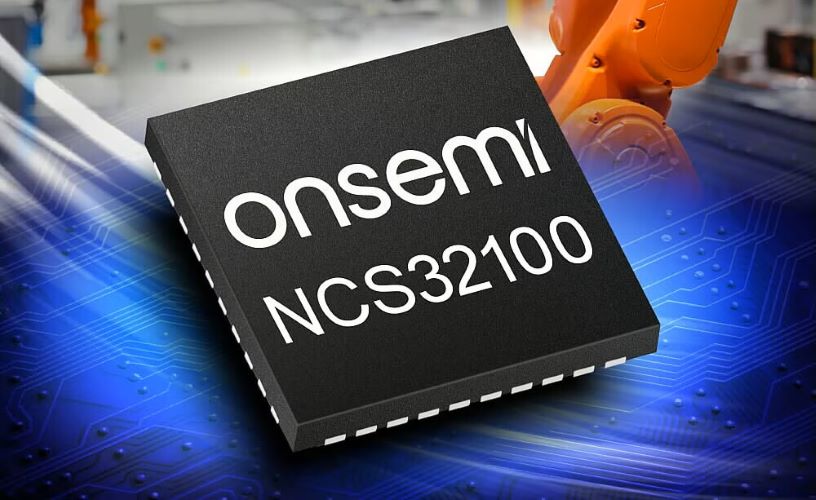
NCS32100
Industrial Rotary Position Sensor
Silicon Photomultipliers (SiPM)
C-SERIES
Silicon Photomultiplier Sensors, C-Series (SiPM)
Image Sensors
AF0130
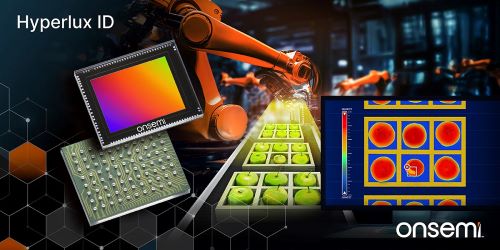
iToF Depth Sensor, 1.2MP, Global Shutter, Hyperlux™ ID
Image Sensors
AR0234CS
1/2.6-inch 2.3 Mp CMOS Digital Image Sensor with Global Shutter
Bluetooth Low Energy
RSL15
Bluetooth® 5.2 Secure Wireless MCU
Low/Medium Voltage MOSFETs
NTMFSC2D6N08X
MOSFET - PowerTrench® T10, Single, N-Channel, STD Gate, DUAL COOL DFN8 5x6 80 V, 2.6 mΩ, 154 A
Power Factor Controllers
NCP1681
Totem-Pole Continuous Conduction Mode (CCM) / Multi-mode (CrM-CCM) Power Factor Correction Controller
Offline Controllers
NCP4390
Resonant Controller with Synchronous Rectifier Control, Enhanced Light Load

Documents

Tutorial
Image Sensors for Drones and Robotics Tutorial
White Papers
自律走行ロボット(AMR)のソリューションおよび設計上の留意点
Reference Designs
NCS32100 Reference Design User's Guide
White Papers
All Ethernet to the Edge: 10BASE-T1S
White Papers
高解像度・高フレームレートCMOSイメージセンサへの電源供給における課題
White Papers
Exploring the Impact of Image Sensors in Robotics and Automation
White Papers
Overcoming Challenges through Indirect Time‐of‐Flight Advancements

Evaluation Boards/Kits

Evaluation Kit
NCN26010XMNEVK
NCN26010XMNEVK 10BASE-T1S MACPHY Evaluation Kit
Evaluation Board
NCN26000XMNEVB
NCN26000 10BASE-T1S PHY device with MII Evaluation Board
Evaluation Kit
NCS32100-GEVK
NCS32100 Rotary Sensor Evaluation Kit
Evaluation Board
AF0130CSSM30SMKAH3-GEVK
1.2MP 1/3 iToF Depth Sensor CSP87 MONO Demo3 HB
Evaluation Board
NCD83591AS-GEVB
NCD83591 60V, 3-Phase Gate Driver Demo Board
Evaluation Board
LV8968BBGEVB
Evaluation board for Multipurpose 3-Phase Brushless DC Predriver

Design Resources

Tools and resources for your evaluation process.

Find the Right Product

Utilize our PRT+ tool to identify the ideal product for you.

System Solution Guides

Explore tailored components and insights for your application.

Evaluation Boards & Kits

Buy and validate the performance of chosen components.

FAQs

Automated Guided Vehicles (AGVs) typically follow predefined routes, while Autonomous Mobile Robots (AMRs) use sensors, SLAM and AI algorithms to dynamically navigate and adapt to changing environments.

BLDC motors provide high efficiency, precise speed control, low maintenance requirements and excellent power density, making them ideal for mobile platforms and robotic actuators.

Sensor fusion combines information from LiDAR, cameras, ultrasonic sensors and other inputs to improve accuracy, redundancy and reliability. This enables safer and more dependable operation under varying conditions.

Major challenges include battery life, power efficiency, sensing accuracy, thermal management, functional safety, real-time communications and reliable operation in dynamic environments.

Simultaneous Localization and Mapping (SLAM) enables robots to create maps of unknown environments while determining their own position. It is essential for autonomous navigation, obstacle avoidance and path planning.

Related Videos

Let's keep going – watch these videos for deeper dives and fresh perspectives.

Support and Community

If you're interested to learn about any onsemi technology, search for related articles in Help library.

サポート

オンセミは、お客様の利便性を考慮し、さまざまな方法によるお問い合わせに対応しています。

セールス

製品に関するご質問、またはデザインに関するサポートが必要ですか?

更新情報

新製品リリース、イベント、技術的洞察!

smart and mobile robotics