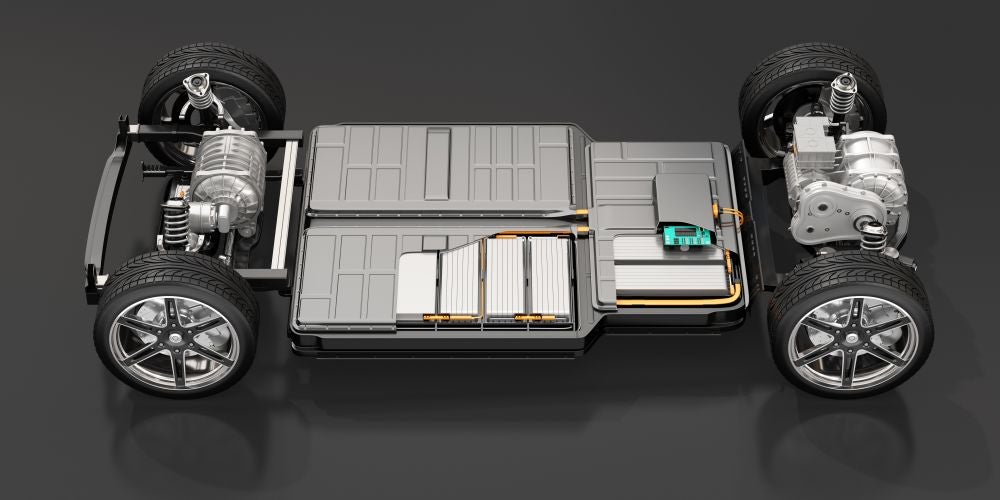
As vehicles transition from internal combustion engines to electrified powertrains, auxiliary systems play a critical role in ensuring performance, safety, and passenger comfort. Traditional belt-driven components are being replaced by advanced electric solutions that deliver higher efficiency, precise control, and improved reliability.
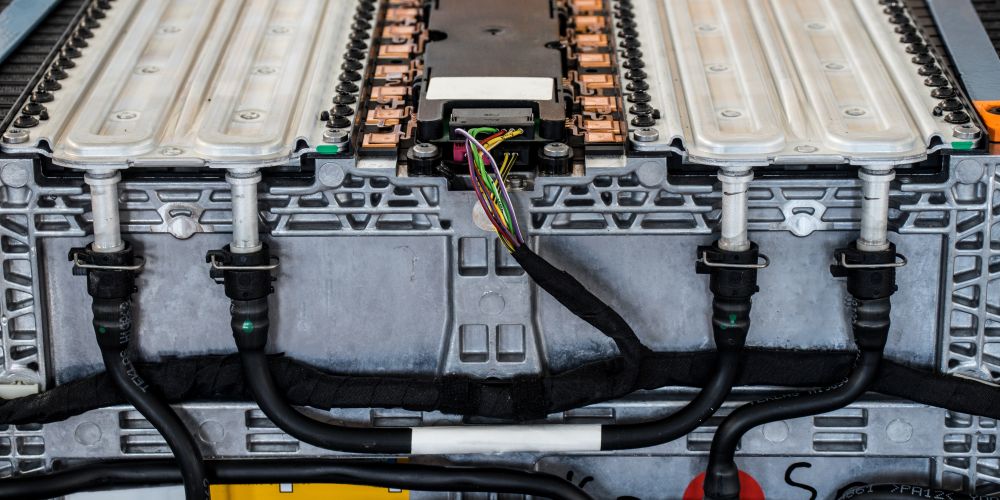
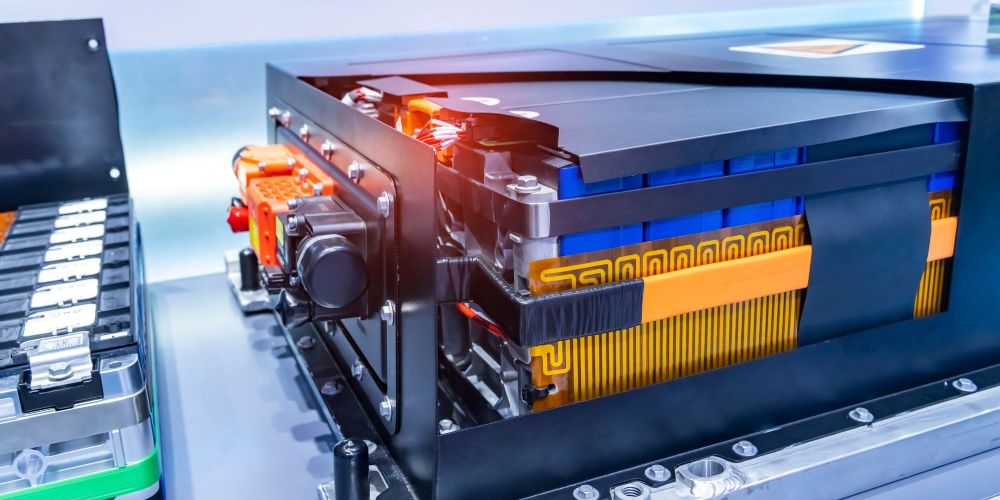
EV auxiliary systems encompass essential applications such as Battery Management Systems (BMS) for optimal energy utilization, HVAC PTC heaters and e-compressors for climate control, and battery heating and cooling to maintain optimal operating conditions. These systems are powered by high voltage battery in BEVs, HEVs, and PHEVs, as well as 48 V networks in mild hybrids, enabling seamless integration and reduced mechanical complexity. By electrifying pumps, compressors, and thermal management units, automakers can minimize energy losses, reduce wiring weight, and enhance overall system efficiency. These enhancements support extended driving range, faster charging, and greater passenger comfort.
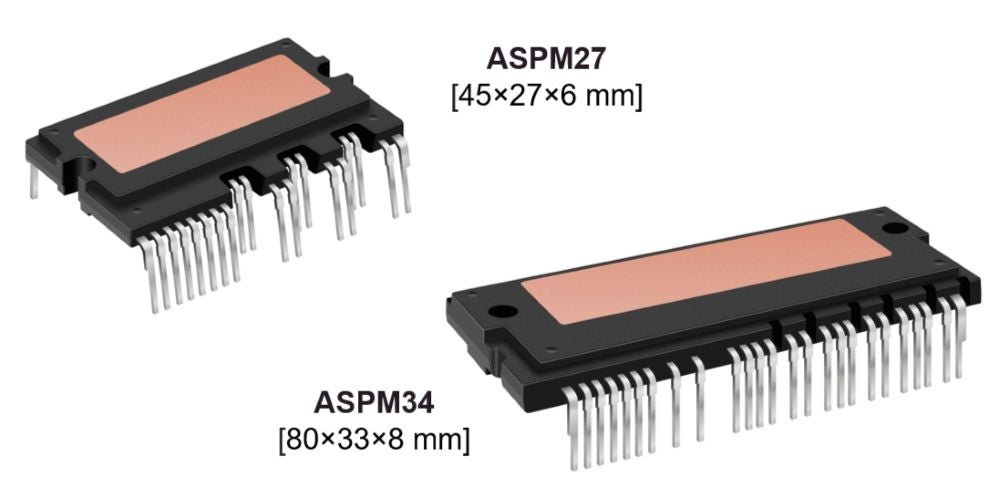
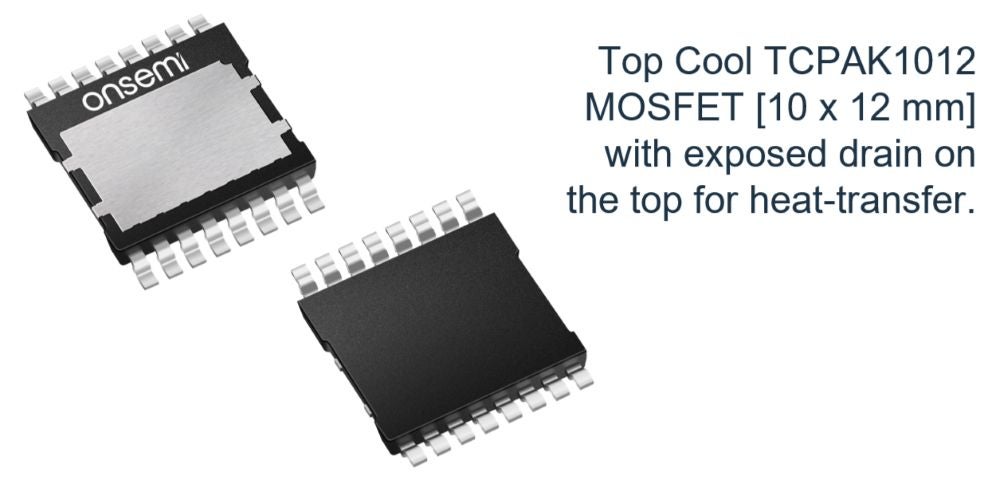
Explore how onsemi enables these innovations with scalable, high-performance solutions designed to meet the demanding requirements of modern EV auxiliary systems. Discover automotive semiconductors covering Automotive Smart Power Module (ASPM), IGBT, EliteSiC, Super-Junction MOSFET, Automotive Power Module (APM) and gate drivers, providing flexibility to design scalable systems and optimize cost per kilowatt.