9月 19, 2024

Share:

産業オートメーションは進化し続けており、動きのある要素を鮮明かつ正確に画像化する必要性が急速に高まっています。産業オートメーションのアプリケーションの革新を牽引する技術が、高速で歪みのない画像をキャプチャできるグローバルシャッタイメージセンサです。

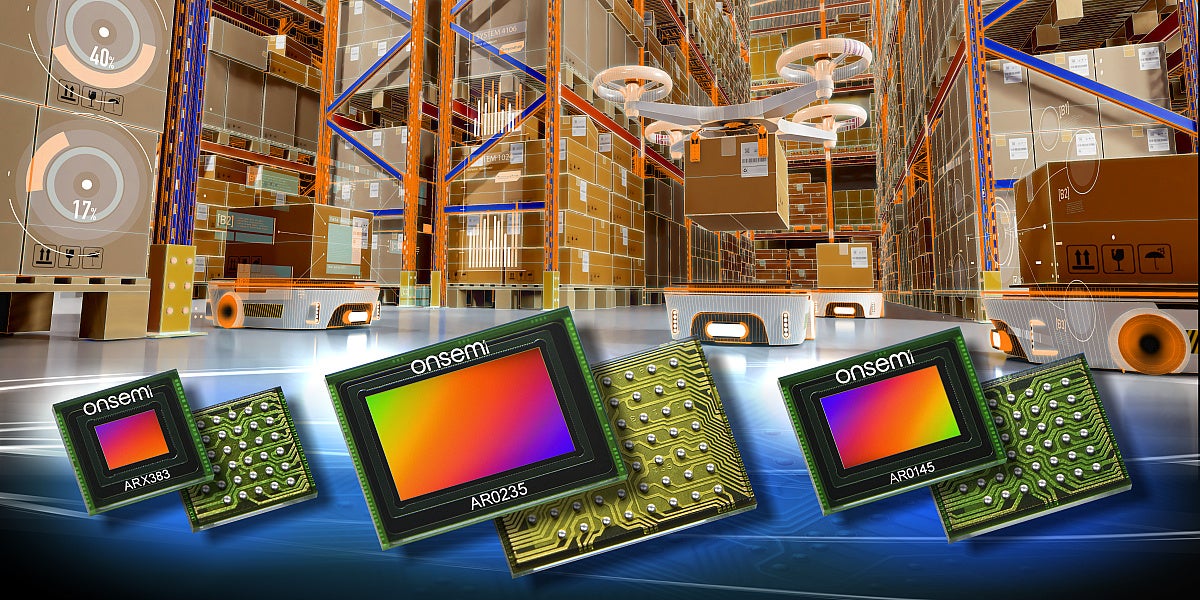
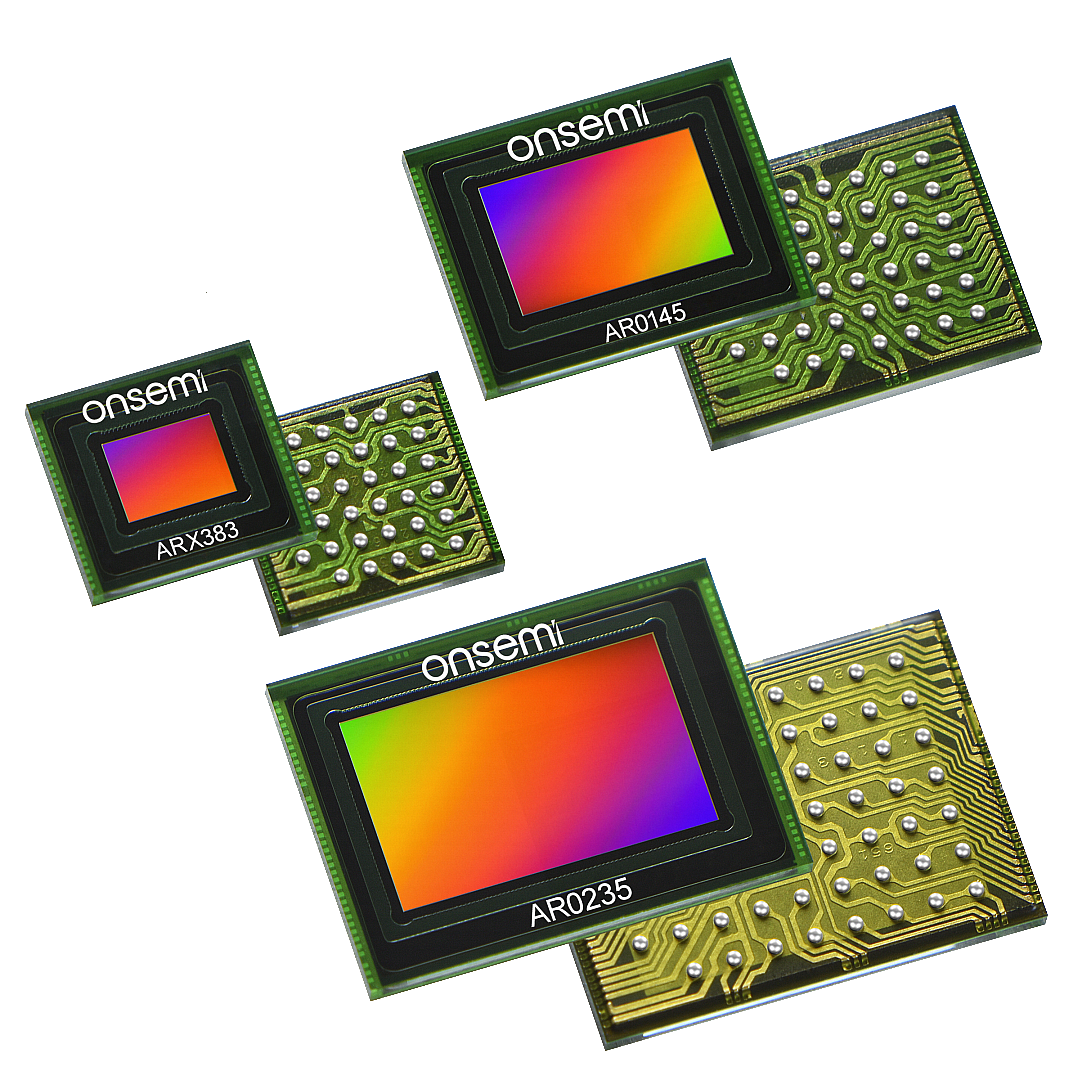
このブログでは、オンセミの最新グローバルシャッタイメージセンサファミリHyperlux SGの特徴と機能を紹介します。このファミリは、コンパクトなアプリケーション向けのARX383(VGA)、詳細な画像処理向けのAR0145(1MP)、高解像度ニーズ向けのAR0235(2.3MP)の3つの新製品で構成されています。

Hyperlux SGイメージセンサファミリは、業界をリードするグローバルシャッタ効率が示すとおり、イメージング技術における画期的な進歩を達成しています。これらのセンサは、毎秒120コマという最先端速度で作動するグローバルシャッタ機構を採用しながら、コンパクトなフォームファクタを提供するよう緻密に設計されています。このユニークな特徴により、画像全体を同時にキャプチャできるため、動きの速い被写体でも鮮明に表示され、アーティファクトがありません。高速で移動する物体を追跡する場合やダナミックな産業プロセスを監視する場合でも、Hyperlux SGセンサは一貫して高品質の画像を提供し、多様な解像度を提供するため、さまざまな要件に応じて拡張可能です。ピクセルサイズとセンサの性能は、選択したバリエーションに関係なく一貫して維持されます。コンパクトな設計のため、バーコードスキャニング、マシンビジョン、自律移動ロボットを含むロボティクスなど、幅広いアプリケーションに非常に適しています。

Hyperlux SGイメージ センサファミリ
図1:Hyperlux SGイメージ センサファミリ


Hyperlux SGの課題とその理由

設計者は、グローバルシャッタイメージセンサを選択する際に重要な課題に直面します。最適な結果を得るには、さまざまな性能パラメータのバランスを図ることが不可欠です。これらのパラメータには、解像度、サイズ、グローバルシャッタ効率、高フレームレート、消費電力、読み取りノイズ、全体的な画質などがあります。性能だけでなく、製品の入手可能性、価格、開発期間も重要な要素です。最後に、市場投入までの時間と迅速な開発サイクルが重要になることがよくあります。

Hyperlux SGセンサは、最先端技術、スピード、効率、統合の容易さを兼ね備えており、お客様の開発作業を効率化しながら、動的イメージングシナリオの要求を満たします。オンセミは、プレミア・リファレンス・イメージセンサ・モジュール(PRISM)により、設計者が特定のアプリケーションに集中できるよう強固な基盤を提供します。PRISMを使えば、効率的かつ効果的に開発を行うことができます。


Hyperlux SGの差別化要因

グローバルシャッタ効率の向上:Hyperlux SGセンサは、前世代の製品と比べてグローバルシャッタ効率が2倍も向上しています。この進歩により、露光と読み出しで正確な同期が保証され、モーションアーチファクトを最小化できます。

高速性能:毎秒120フレームの高速キャプチャレートにより、Hyperlux SGセンサは、ペースの速い環境でも鮮明で歪みのない画像を提供します。

コンパクトなフォームファクタ:Hyperlux SGセンサは小型フォームファクタで設計されており、狭いスペースでの設置に最適です。コンパクトな設計により、各種デバイスやシステムにシームレスに統合できます。

効率的な電力消費:これらのセンサはエネルギー効率を優先します。動作時の消費電力を抑えることで、バッテリ寿命の延長とシステム全体のエネルギー要件の低減に貢献します。

自動露出機能:内蔵の自動露出機能により、特に動きの速い被写体を撮影するときに最適な画質を保証します。露出設定を動的にサポートするので、ユーザーは手動操作なしに決定的瞬間を捉えることに集中できます。


Hyperlux SGを使用するアプリケーション

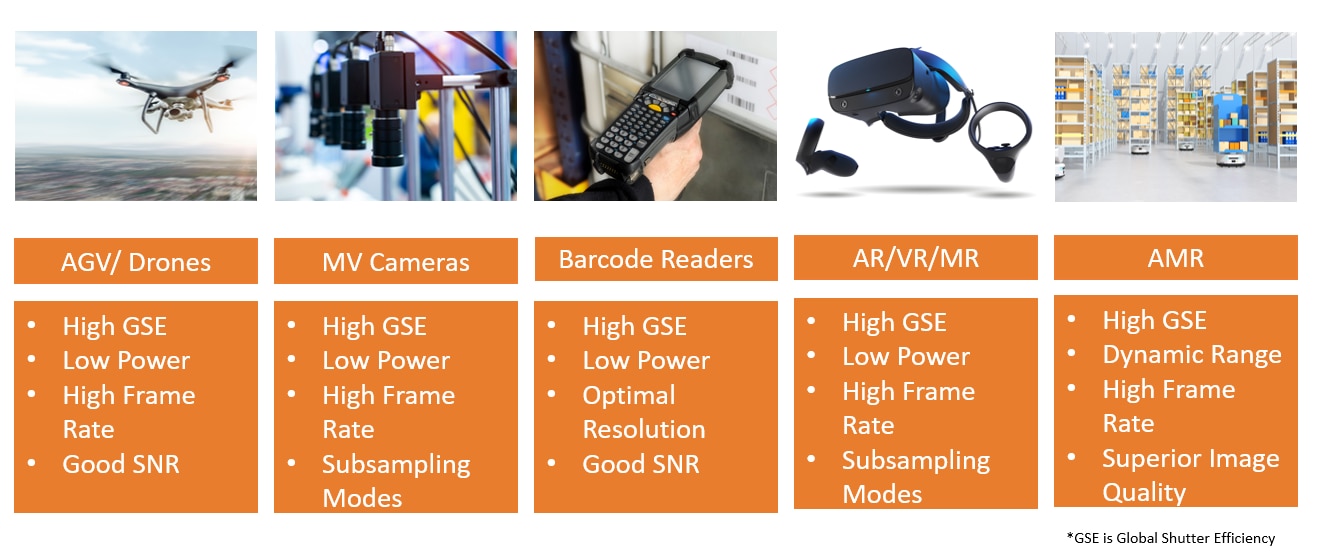
Hyperlux SGセンサは、さまざまなアプリケーションで性能を大幅に向上させます。アプリケーションにはハンドヘルドバーコードスキャナが含まれます。ハンドヘルドバーコードスキャナのグローバルシャッタ機能は、高速で移動するオブジェクトをスキャンするときでも正確にバーコードキャプチャを実行し、内蔵の自動露出アルゴリズムにより、さまざまな照明条件にシームレスに適応します。

マシンビジョンの場合、Hyperlux SGのグローバルシャッタ効率により、モーションアーチファクトが排除され、高速検査タスクに最適です。製造部品の検査、欠陥の検出、品質管理の保証など、これらのセンサはシステム全体の精度を向上させます。

さらに、ロボティクス、特に自律移動ロボット(AMR)では、Hyperlux SGは視覚ベースの自己位置推定と環境地図作成の同時実行(SLAM)を可能にし、工場や倉庫での障害物衝突の回避や経路計画に役立ちます。消費電力が低いため、ロボットのバッテリを消耗することなく長時間動作し、AMRがさまざまな環境で効率的かつ安全にナビゲートできるようにします。


Hyperlux SG市場セグメント/アプリケーション
図2:Hyperlux SG市場セグメント/アプリケーション

Hyperlux SGイメージセンサファミリは、より高速で正確なスキャンを可能にし、マシンビジョンシステムを改善し、自律型ロボットの機能を向上させることで、最終製品を強化します。オンセミのサポートにより、お客様は自信を持って技術革新を図り、アプリケーションを前進させることができます。共にイノベーションへの道を切り開きましょう。

詳細については、 ARX383AR0145AR0235の製品ページをご覧ください。


関連資料

Featured

Machine Vision

Machine Vision is transforming industrial automation by enabling intelligent visual inspection, measurement, and decision-making across diverse sectors. As industries embrace digital transformation, machine vision systems are becoming essential for enhancing productivity, quality, and operational efficiency. These systems combine high-performance image sensors, advanced optics, and AI-powered processing to capture and analyze visual data in real time. From identifying defects in manufacturing lines to guiding robotic arms in assembly, machine vision ensures precision and consistency.

Driven by innovations in CMOS sensor technology, global shutter architectures, and AI-based image processing, machine vision systems now offer superior low-light performance, high dynamic range, and ultra-fast frame rates. onsemi’s portfolio, including the XGS, PYTHON, and Hyperlux sensor families, delivers scalable, power-efficient solutions tailored for both high-resolution and high-speed applications.

The integration of extended vision technologies like LiDAR, iToF and SWIR further expands machine vision’s capabilities, enabling accurate 3D mapping and object detection in dynamic environments. These advancements are pivotal for smart factories, autonomous robotics, and next-generation quality control systems.

Smart and Mobile Robotics

Smart robots are transforming industrial automation by combining mobility, perception, connectivity and artificial intelligence into autonomous systems capable of navigating dynamic environments and collaborating with humans. Applications range from autonomous mobile robots (AMRs) to robotic arms, delivery robots and advanced humanoid platforms. Unlike conventional industrial robots that operate in fixed, controlled environments, smart robots rely on sensor fusion, machine vision and AI-based decision-making to understand their surroundings, avoid obstacles and optimize navigation. 

The heart of a smart robot is a combination of power electronics, motion control and embedded processing. Most mobile robots operate from 12 V to 48 V battery systems and require efficient power-conversion architectures consisting of battery-management systems, DC/DC converters and protection circuits. Motion is typically driven by brushless DC (BLDC) motors controlled through three-phase inverters using low- and medium-voltage MOSFETs, gate drivers and position sensors. Smart protection devices such as eFuses and protected MOSFETs safeguard critical power rails against overcurrent, overvoltage and thermal events, improving reliability and reducing downtime. 

Autonomous operation depends heavily on advanced sensing and perception technologies. Modern platforms combine LiDAR, machine vision, depth sensing and other sensors to create an accurate understanding of the environment. Sensor fusion combines data from multiple sensing modalities to improve reliability, accuracy and functional safety. Simultaneous Localization and Mapping (SLAM) algorithms use these data streams to build maps, track obstacles and plan navigation paths in real time.  Connectivity is also evolving, with 10BASE-T1S Industrial Ethernet and Bluetooth® increasingly replacing legacy communication methods.

AI is advancing robotics with enhanced object recognition, environmental classification, and adaptive decision-making. Improved computing, energy efficiency, and sensor integration enable robots to function in varied environments. Designers are optimizing battery efficiency, sensing accuracy, and system integration with intelligent modules and software. AI-driven robotics are transforming logistics, manufacturing, healthcare, and service industries.

Safety is a fundamental requirement for robots operating near people. Depending on the application, smart robotics systems commonly need to comply with standards such as ISO 10218 for industrial robots, ISO/TS 15066 for collaborative robots, IEC 61508 for functional safety, ISO 13849 for safety-related control systems and IEC 60204-1 for electrical equipment of machines. In addition, LiDAR and vision systems must incorporate eye-safety and fail-safe mechanisms to ensure safe operation in human-centric environments.